Motor protection circuit breaker About
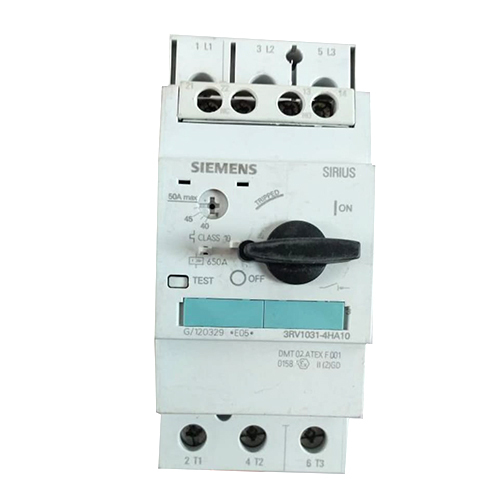
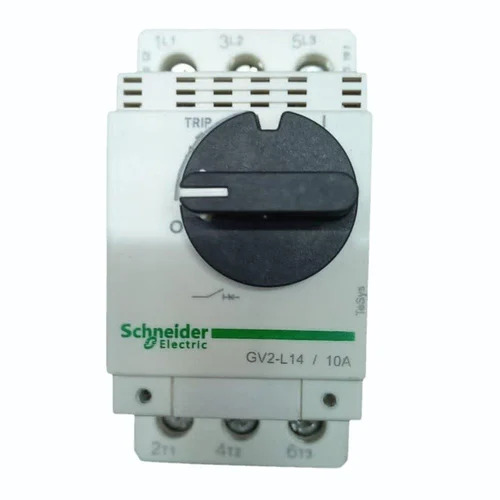
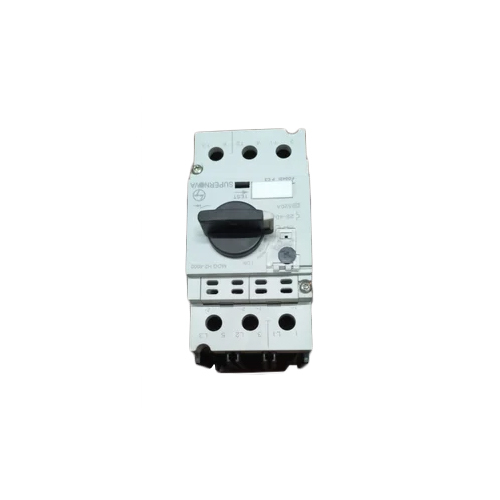
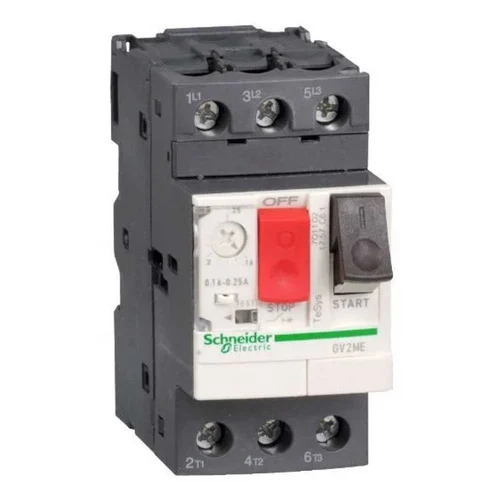
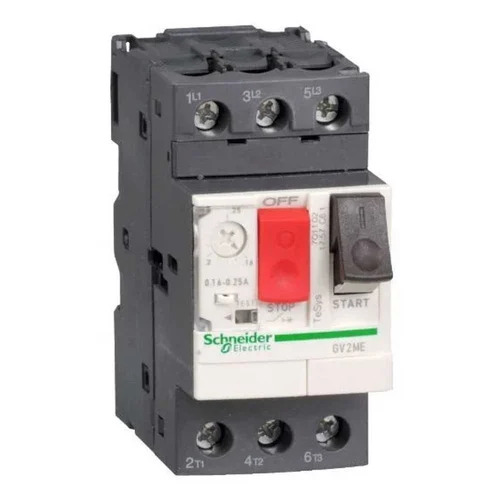
A Motor Protection Circuit Breaker (MPCB) is a specialized type of circuit breaker designed to provide reliable protection for electric motors against overload, short circuit, and phase failure conditions. It combines the functions of a circuit breaker and a thermal overload relay into a single compact unit, ensuring efficient motor safety and performance. MPCBs are widely used in industrial and commercial applications where electric motors require precise and dependable protection. These devices are designed to handle high inrush currents during motor startup while safeguarding the motor from damage due to abnormal electrical conditions. Key Features Protection against overload, short circuit, and phase loss Adjustable thermal and magnetic trip settings High breaking capacity Compact and space-saving design Easy installation and operation Manual ON/OFF switching capability a i, Specifications (Typical) Rated Voltage: 220V a 690V Current Range: 0.1A a 100A (varies by model) Frequency: 50/60 Hz Poles: 3 Pole Trip Class: Class 10 / Class 20 - Applications Industrial motors and machinery Pumps and compressors HVAC systems Conveyor systems Manufacturing units Agricultural motor protection
Versatile Motor Protection SolutionThe motor protection circuit breaker supports a broad range of motor sizes and types with its adjustable current ratings and wide operating temperature range. Its durable, flame-retardant housing and Type C curve design are tailor-made for demanding industrial and commercial environments. Optional auxiliary contacts allow for advanced monitoring and integration into automated control systems.
Effortless Installation and OperationQuickly install this device on DIN rails or panels thanks to its compact design and user-friendly screw terminals. The manual and automatic reset capabilities, along with reliable thermal and magnetic tripping mechanisms, ensure minimal downtime and straightforward maintenance, contributing to efficient operations.
FAQ's of Motor protection circuit breaker:
Q: How does the motor protection circuit breaker safeguard motors against overloads and short circuits?
A: This breaker uses a combination of thermal and magnetic tripping elements to detect and interrupt both overloads and short circuits. Its Class 10A trip curve ensures prompt disconnection, reducing the risk of motor damage by acting within the specified time delay for various fault conditions.
Q: What installation options are available for this circuit breaker, and where can it be used?
A: You can install the breaker either on a DIN rail or directly on a panel, providing flexibility for different electrical setups. Its IP20 rating and wide operating temperature range make it suitable for indoor industrial, commercial, and machinery applications across India.
Q: When should the manual or automatic reset feature be used?
A: Manual reset is appropriate when personnel are available to inspect and confirm safety before power restoration, typically after a fault. Automatic reset enables the system to self-restart after a temporary fault clears, ideal for unmanned or remote installations where quick restoration is desired.
Q: What are the benefits of optional auxiliary contacts?
A: Optional auxiliary contacts enable remote monitoring and signalling of the breaker's status. This feature is beneficial for integrating the breaker into automated control panels or BMS (Building Management Systems), supporting enhanced diagnostics and operational awareness.
Q: How is wiring and connection established on this breaker?
A: This breaker utilizes robust screw terminals for secure and reliable electrical connections. The terminals are designed to accommodate various wire sizes, ensuring straightforward installation and maintenance within different control panels.
Q: What process ensures safety and durability in harsh conditions?
A: The breaker is constructed from flame-retardant plastic for added safety and is rigorously tested for a mechanical life of up to 100,000 operations. Its ability to function flawlessly from -20C to +60C and withstand high short-circuit conditions ensures long-term dependability in challenging environments.
 Send Inquiry



 Send Inquiry

 Send Inquiry