Over Load Relay About
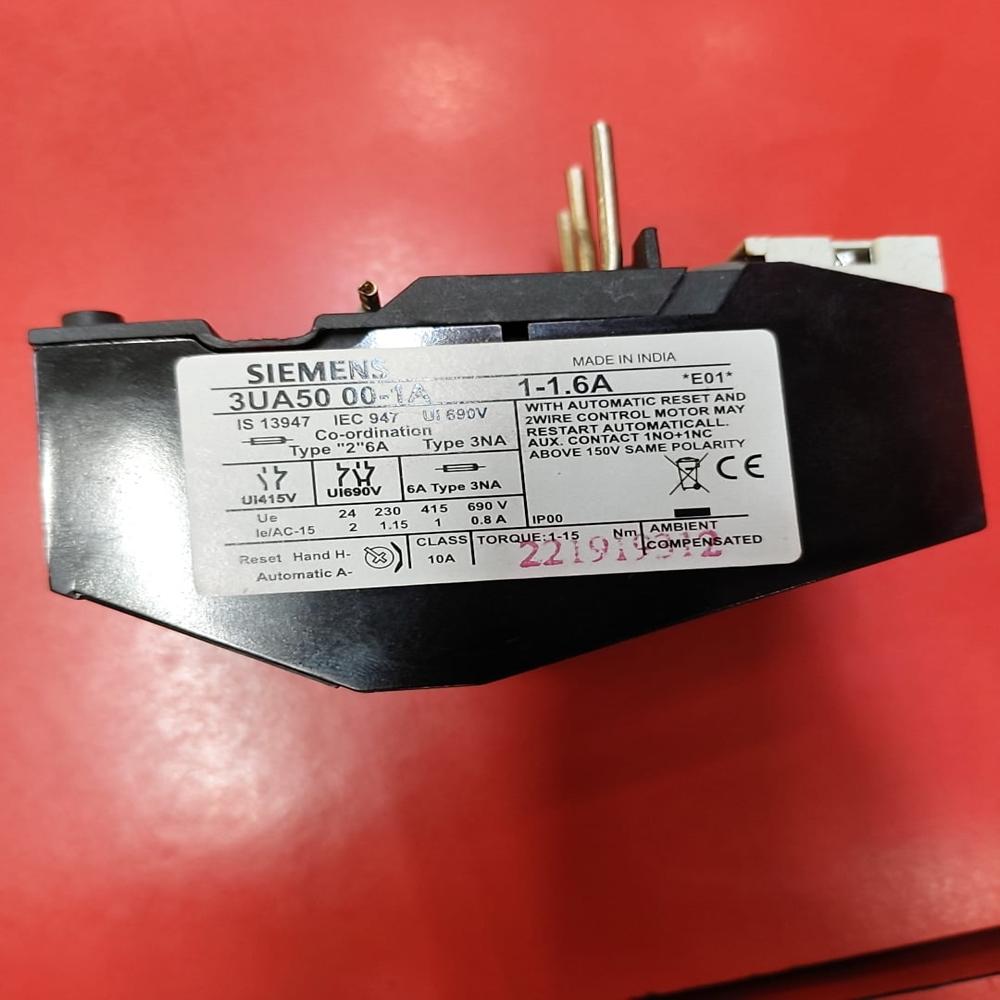
All type of Overload relay supply . Get responses tailored to you Log in to get answers based on savedchats, plus create images and upload files. Log in Overload relay product details Siemens Siemens overload relays are widely used for motor protection against overload, phase failure, and overheating. Their main product families are SIRIUS 3RU (thermal) and SIRIUS 3RB (electronic/solid-state). Below is a clear, practical breakdown with product examples and specs. . 1. Siemens Overload Relay a Overview An overload relay protects motors by disconnecting the circuit when current exceeds safe limits (due to overload, phase loss, etc.). Key functions: Overload protection Phase failure / imbalance protection Thermal protection (motor heating) Manual / auto reset Auxiliary contacts (NO/NC) . 2. Popular Siemens Overload Relay Types a A. Thermal Overload Relay (3RU Series) Used in standard applications with normal starting conditions. Siemens 3RU2116-0BB0 Thermal Overload Relay a 2,477 a c IndustryBuying Typical Features: Adjustable current range (e.g., 1.8 A to 100 A depending on model) Trip class: Class 10 (standard motor protection) Phase failure sensitivity Direct mounting on Siemens contactors (3RT series) Manual/auto reset Example models: 3RU1116 a small motors 3RU1126 / 3RU1136 a medium range 3RU1146 a up to 100 A
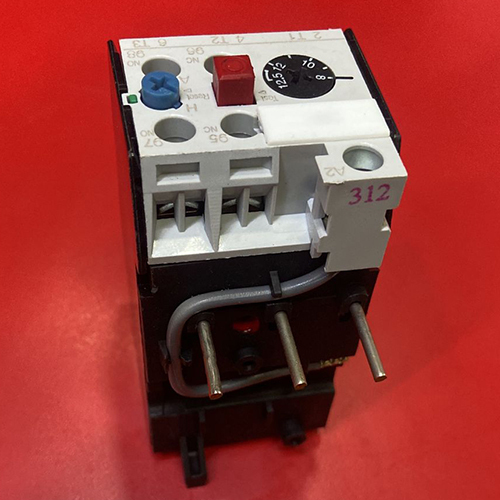
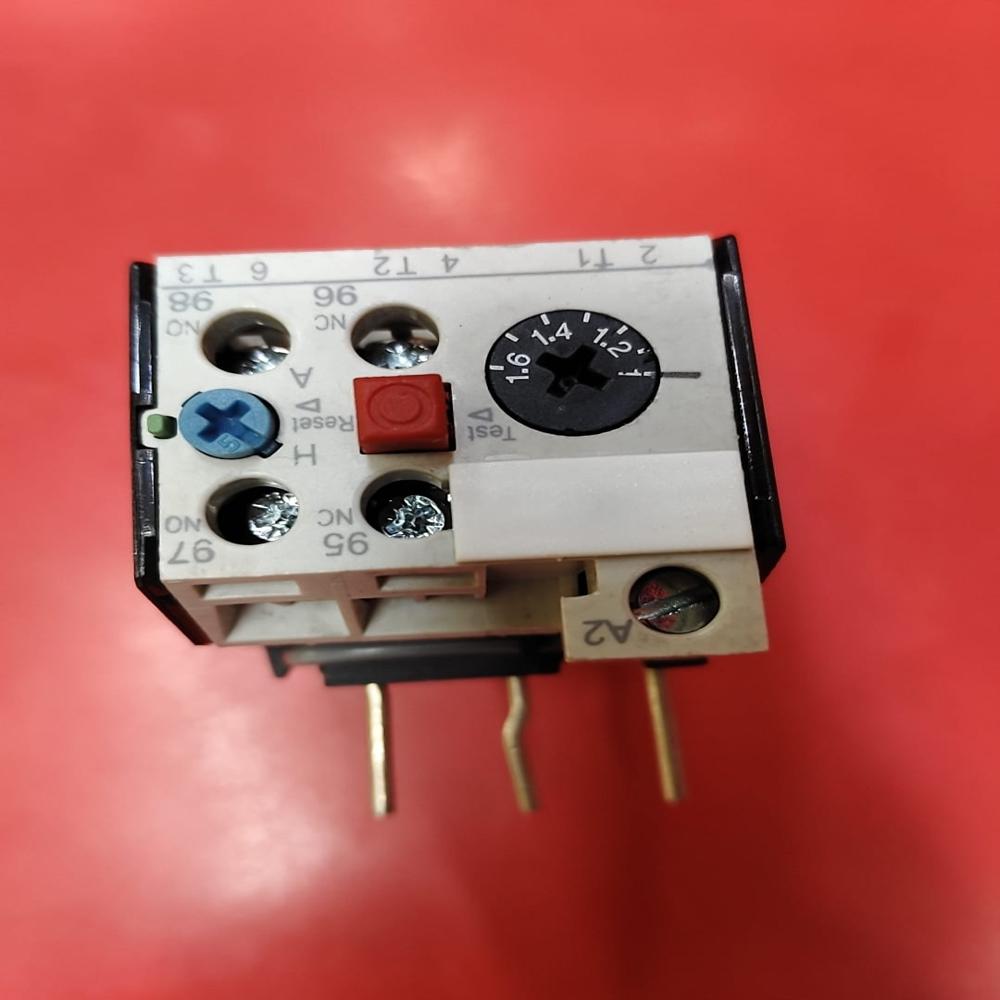
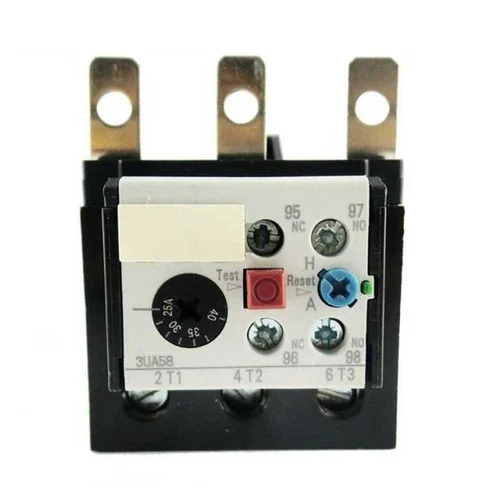
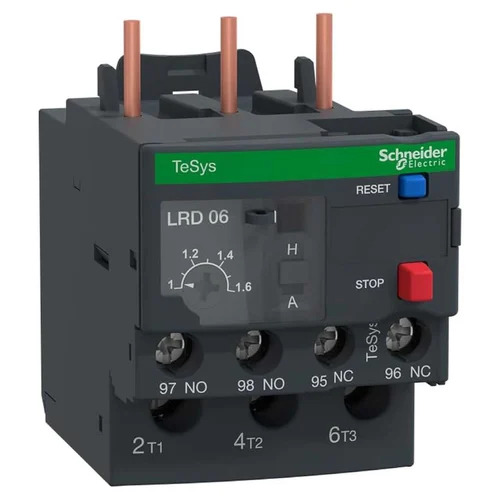
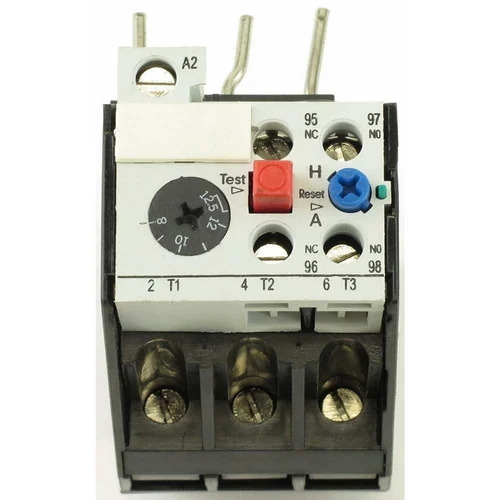
Advanced Motor ProtectionThis direct and base mount overload relay ensures motors and equipment remain protected from potential damage due to excessive current. With its thermal protection feature and quick operating time, the device minimizes downtime and extends the operational life of connected machinery.
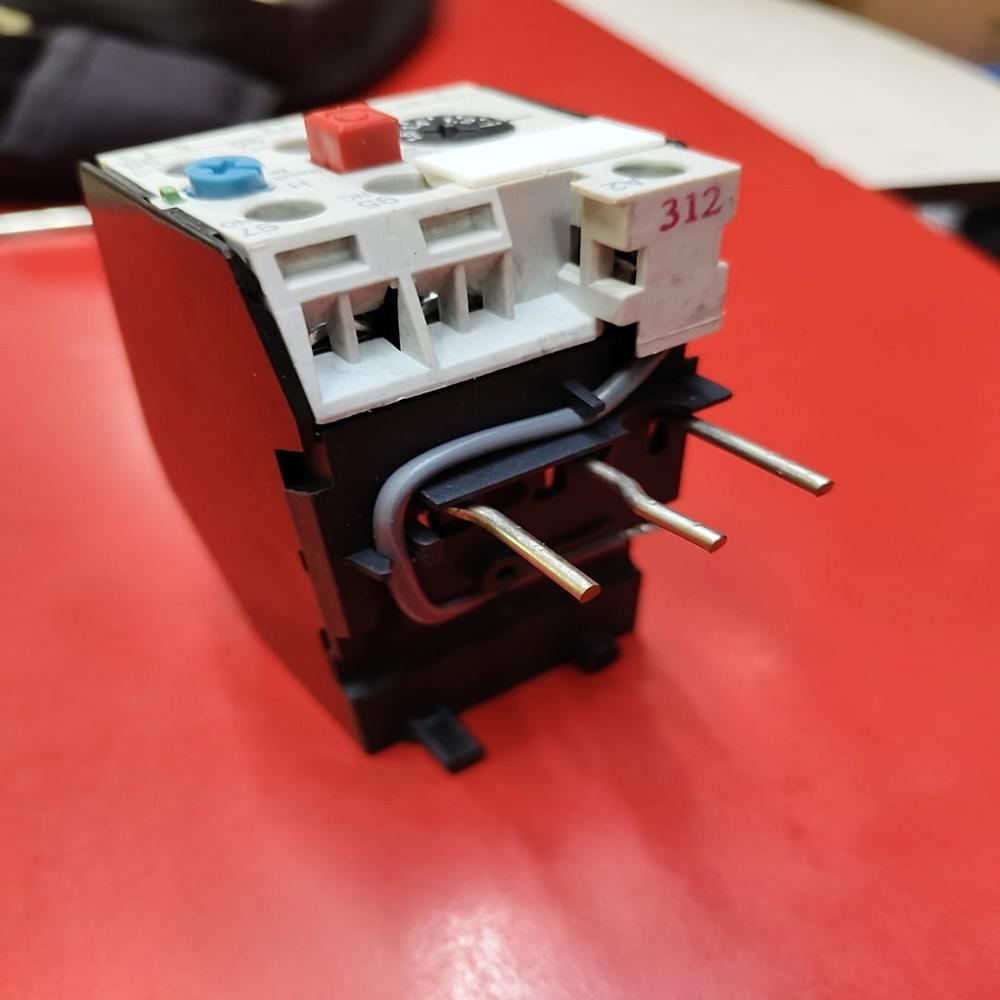
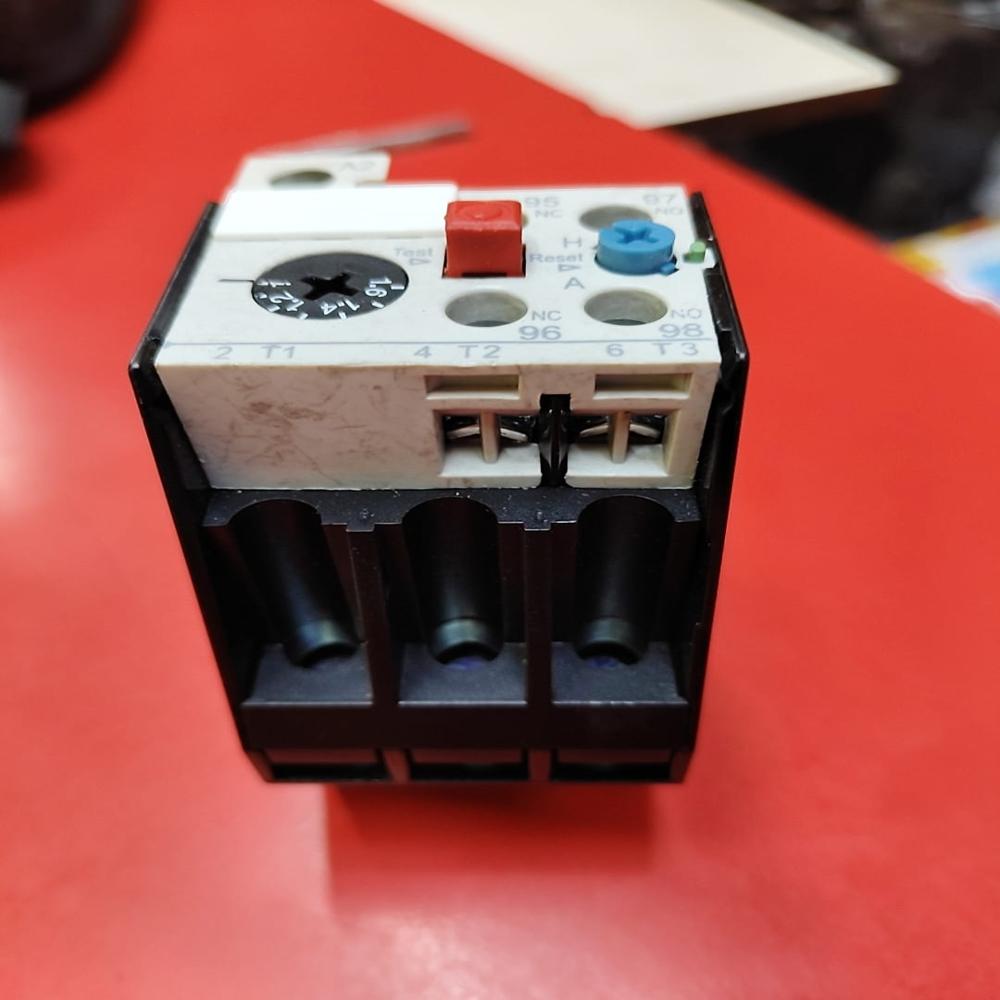
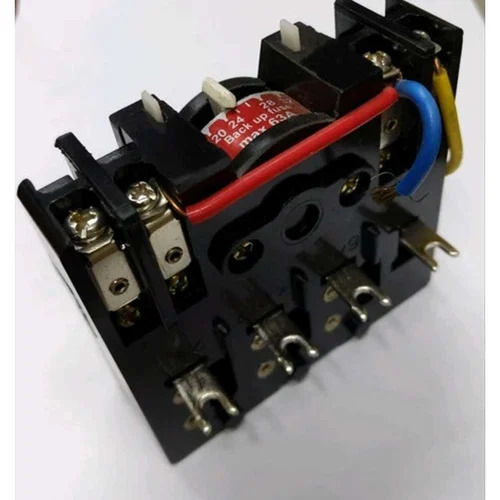
Versatile Installation & OperationThe relay is suited for both direct mounting and base mounting, with flexible supply terminals on the top or bottom. It caters to installation in standard DIN rail panels, simplifying integration into new or existing systems. Its manual and automatic reset options provide adaptability for different application requirements.
Engineered for ReliabilityDesigned to operate efficiently under harsh industrial conditions, this relay features a wide ambient temperature range (from -20C to +60C), robust insulation, strong dielectric strength, and superior contact performance with more than one million mechanical operations.
FAQ's of Over Load Relay:
Q: How does the Over Load Relay protect motors in industrial applications?
A: The Over Load Relay protects motors by monitoring current levels; if the current exceeds the adjustable range (2.5-4A), it interrupts the circuit to prevent overheating and potential motor damage. Its rapid response time (less than 2 seconds) ensures timely protection.
Q: What are the mounting and reset options for this relay?
A: This relay supports both direct and base mounting, allowing flexible installation. It also features manual and automatic reset types, catering to both operator intervention and automatic system recovery after resolving an overload condition.
Q: When should I use this overload relay in my system?
A: Use this relay in any setup that requires reliable protection for electric motors, such as pumps, compressors, or industrial machines, especially when operating within the specified current range of 2.5 to 4A and voltage up to 690 V AC.
Q: Where can this relay be installed in an industrial panel?
A: The relay is designed for standard DIN rail mounting and can be placed where protection for electric motors or machinery is required. Terminals are accessible at the top or bottom for convenient wiring integration.
Q: What process does the relay follow when an overload occurs?
A: Upon detecting current above the preset level, the relay's thermal mechanism activates, breaking the circuit through its contacts and facilitating either a manual or automatic reset once normal conditions return.
Q: How does the relay handle harsh environments?
A: The device is rated for up to 95% non-condensing humidity and functions reliably in temperatures ranging from -20C to +60C, featuring IP20 protection and strong insulation to ensure durability in industrial environments.
Q: What are the main benefits of using this overload relay?
A: Key benefits include fast, reliable motor protection, easy installation, long mechanical life, minimal power consumption, and compatibility with various industrial equipment, providing peace of mind and reduced maintenance costs.
 Send Inquiry



 Send Inquiry

 Send Inquiry